
Why ICE’s Funding Battle Reveals a System-Level Leverage Crisis

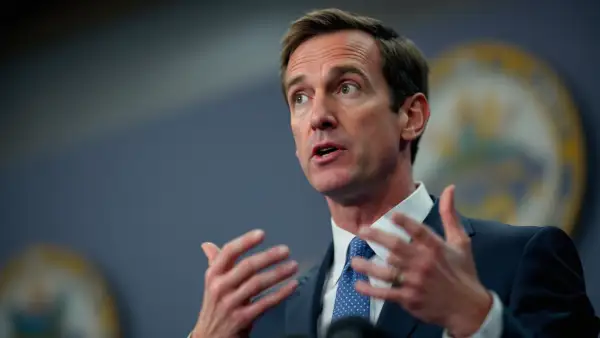
The fatal shooting of Renee Good by an Immigration and Customs Enforcement agent in Minnesota has ignited a budget standoff just before the January 30 federal government shutdown deadline. Senator Chris Murphy and several Democrats now seek strict new rules on ICE’s operations as part of the Department of Homeland Security (DHS) appropriations. But this is not merely about a spending fight—it exposes how a deeply flawed enforcement system resists simple reform without redesign. “We must dismantle it and build it from the ground up again,” says Rep. Adriano Espaillat, diagnosing a cultural constraint few understand.
Why Conventional Budget Battles Miss the Real Constraint
The apparent leverage point seems to be control over ICE's funding—cut spending, force reform. That’s the conventional legislative playbook widely reported. Yet this assumes that funding is the main system choke point. In reality, ICE’s operational culture and mandate structure represent a deeper constraint, immune to budget tweaks alone. This mirrors system failures in other sectors where simply cutting resources fails to reset embedded behaviors. For operators, the funding fight is a red herring distracting from redesigning ICE’s core incentives and oversight mechanisms.
For context on constraint repositioning in government systems, see how 2024 tech layoffs reflect hidden system-level failures, showing the importance of addressing root causes instead of symptoms.
The Real Mechanism: Cultural and Structural Leverage within DHS
Chris Murphy’s proposed legislation introduces operational guardrails: warrant requirements for arrests, banning masks during enforcement, limiting gun usage by ICE during civil actions, and restricting Border Patrol strictly to borders. These reform attempts acknowledge that unchecked autonomous agency operations represent the true leverage point—not just dollars. This echoes private sector lessons where controlling operational parameters yields far stronger impact than adjusting budgets.
Unlike agencies with segmented responsibilities, ICE’s culture and mandate combine enforcement and detention with minimal external accountability. This, according to Rep. Espaillat, unfortunately enables “unaccounted for violence” as an institutional feature rather than anomaly. Attempts to reform without dismantling will struggle because the constraint is embedded in organizational design, not funding flows. For an outsider’s perspective on leveraging design constraints, consider how AI forces workers to evolve when old leverage levers no longer work.
Intersecting Political Leverage and Real Operational Constraints
The razor-thin House Republican majority adds complexity. Democrats view funding as leverage to impose reform; Republicans warn that restricting DHS funding risks national security and political capital. House Speaker Mike Johnson’s warning that ICE funding should remain robust during “a dangerous time” illuminates how political constraints overlay operational ones.
This multidimensional leverage battle highlights how systemic change requires navigating between political deal-making and hard redesign of enforcement mechanisms. Unlike moves by OpenAI that scaled ChatGPT users via clear tech infrastructure shifts (see), ICE’s leverage trap lies in deeply embedded legal and cultural mandates resisting straightforward reform.
What’s Next: Why ICE’s Redesign Is a Leverage Play for the Whole DHS System
The constraint has shifted from pure funding to institutional design. Lawmakers aiming for real leverage will need to move beyond annual budget fights and press for rebuilding ICE’s operational systems around accountability and clear jurisdictional boundaries.
This also sets a precedent for other federal agencies where legacy enforcement cultures resist incremental reform. Watch how political actors willing to create new institutions, not just repurpose budgets, gain strategic advantage. Policymakers ignoring this dynamic will see cyclical crises and funding logjams continue.
“Agencies that control culture control outcomes — dismantling and rebuilding may be the only leverage that works.”
For deeper context on system design leverage, read process documentation best practices and how they unlock operational clarity at scale.
Related Tools & Resources
As the article discusses the critical need for systemic redesign within agencies like ICE, tools that streamline operations and document processes become essential. Copla can help organizations like yours create and manage standard operating procedures, ensuring that your operational frameworks are not just efficient, but effectively aligned with your goals for reform and accountability. Learn more about Copla →
Full Transparency: Some links in this article are affiliate partnerships. If you find value in the tools we recommend and decide to try them, we may earn a commission at no extra cost to you. We only recommend tools that align with the strategic thinking we share here. Think of it as supporting independent business analysis while discovering leverage in your own operations.
Frequently Asked Questions
What is the main issue behind ICE’s current funding battle?
The main issue is not just about ICE’s funding but a deeper system-level leverage crisis rooted in ICE’s operational culture and mandate structure. Budget cuts alone cannot reform ICE without redesigning its enforcement mechanisms and accountability.
How does political leverage affect ICE’s funding and reform efforts?
The razor-thin House Republican majority complicates reform, with Democrats pushing funding restrictions to impose reforms, while Republicans warn that reducing DHS funding risks national security and political capital, as highlighted by House Speaker Mike Johnson.
What reforms has Senator Chris Murphy proposed for ICE?
Senator Chris Murphy’s proposed legislation includes operational guardrails like warrant requirements for arrests, banning masks during enforcement, limiting ICE gun usage in civil actions, and restricting Border Patrol activities strictly to border areas.
Why do some lawmakers believe ICE needs to be dismantled and rebuilt?
Representatives like Adriano Espaillat argue that ICE’s culture enables institutional violence as a feature rather than an anomaly, and therefore, dismantling and rebuilding the agency from the ground up is necessary to overcome embedded design constraints.
How does ICE’s enforcement culture differ from other agencies?
Unlike agencies with segmented responsibilities, ICE combines enforcement and detention with minimal external accountability, which embeds cultural and operational constraints that resist reform through funding changes alone.
What parallels are drawn between ICE’s crisis and challenges in other sectors?
The article compares ICE’s system-level failures to 2024 tech layoffs and AI-driven workforce evolution, emphasizing that simply cutting budgets does not resolve embedded system constraints and that redesigning operational structures is critical.
What role do tools like Copla play in addressing systemic issues?
Tools such as Copla help organizations streamline operations and document standard operating procedures, promoting operational clarity and alignment with goals for reform and accountability in agencies like ICE facing systemic redesign challenges.
What is the significance of the January 30 federal government shutdown deadline?
The January 30 deadline marks a critical budget standoff point, highlighting urgency around ICE funding and reform efforts as lawmakers negotiate before potential government shutdown, with funding seen as leverage but masking deeper systemic issues.