
Why Jamba Juice's CEO Defends Middle Management Amid Cuts

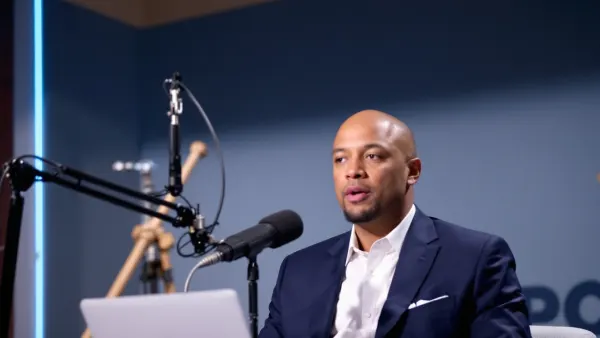
Corporate America is slashing middle management to cut costs and boost efficiency. Jamba Juice's former CEO, James D. White, argues this trend threatens the core leverage of company culture that fuels growth. He insists middle managers are the crucial nodes translating vision into employee engagement and performance. “Culture only thrives when middle management is equipped and invested in,” White said on Yahoo Finance’s Opening Bid.
Why Cutting Middle Management Misses the Real Constraint
Many executives and giants like Microsoft, Meta, Amazon, and Google see middle management as bloated overhead to be flattened. The prevailing wisdom suggests a leaner hierarchy speeds decision-making and slashes payroll. But this view ignores that middle managers are key leverage points for embedding culture as a system that self-reinforces rather than needs constant top-down effort. This constraint repositioning shifts the focus from cost cutting to investing in communication channels and motivational levers inside the org—topics also explored in Why Dynamic Work Charts Actually Unlock Faster Org Growth.
Middle Management as a System for Leverage, Not Just Layers
James White emphasizes that most frontline employees report directly to middle managers. When those managers lack tools, alignment, or rewards, the company’s mission fails to reach the heart of the workforce. By contrast, companies investing in this layer create a multiplier effect on culture, turning everyday managers into leverage points that scale through repeated reinforcement. This contrasts with OnlyFans CEO Keily Blair’s approach of eliminating middle layers entirely, relying instead on senior and junior talent—a model that only works at very small headcounts relative to scale.
The consequences of dismissing middle management are visible in recent tech layoffs, which often reveal structural leverage failures rather than pure efficiency gains. For deeper understanding, Why 2024 Tech Layoffs Actually Reveal Structural Leverage Failures offers analysis on how cutting these leverage points can undermine sustainable growth.
Strategic Implications: Culture as a Design Constraint
Slashing middle management simplifies org charts but removes critical infrastructure supporting company culture, a non-obvious growth driver. The real constraint shifts from headcount costs to the ability to systematize culture transmission. Companies that recognize this can design compensation, tools, and recognition systems empowering middle managers as autonomous culture carriers. This creates compounding advantages without top-heavy oversight.
Executives responsible for scaling operations and culture, especially in industries facing rapid growth or turnover, must reconsider this leverage loss. Other large retailers like Walmart cutting layers demonstrates this tension—but not necessarily a long-term strategy.
Going forward, firms that treat middle management as a leverage system, investing in their alignment and capabilities, will transform a perceived cost center into a platform for sustainable competitive advantage. As White insightfully puts it, “If your middle managers don’t buy in, you don’t own your culture.”
Related Tools & Resources
For organizations aiming to empower their middle management and optimize their operational workflows, Ten Speed offers a robust platform for managing marketing resources and workflows. By streamlining processes, businesses can reinforce the very nature of company culture that James White discusses, ensuring that middle managers have the tools they need to effectively carry out their vital roles. Learn more about Ten Speed →
Full Transparency: Some links in this article are affiliate partnerships. If you find value in the tools we recommend and decide to try them, we may earn a commission at no extra cost to you. We only recommend tools that align with the strategic thinking we share here. Think of it as supporting independent business analysis while discovering leverage in your own operations.
Frequently Asked Questions
Why does Jamba Juice's former CEO defend middle management?
James D. White argues that middle management is crucial for translating company vision into employee engagement and performance, acting as leverage points that reinforce company culture and drive growth.
What is the risk of cutting middle management according to the article?
Cutting middle management can undermine company culture and sustainable growth by removing critical infrastructure that supports communication and motivation between leadership and frontline employees.
How do companies like Microsoft, Meta, Amazon, and Google view middle management?
These companies often see middle management as bloated overhead to be reduced, aiming for leaner hierarchies to speed decision-making and cut payroll costs, though this risks losing cultural leverage.
What alternative approach does OnlyFans CEO Keily Blair use regarding middle management?
Keily Blair’s model eliminates middle layers entirely, relying on senior and junior talent, a setup that tends to work only in small headcounts rather than at scale.
What strategic implications does slashing middle management have?
Removing middle management simplifies org charts but removes essential support for culture transmission, shifting the real constraint from costs to systematizing culture for sustainable competitive advantage.
How do middle managers act as leverage points in a company?
Middle managers create a multiplier effect on culture by reinforcing company values and missions with frontline employees, turning everyday actions into scalable culture carriers.
What role does the platform Ten Speed play in supporting middle management?
Ten Speed provides a marketing resource and workflow management platform that helps empower middle managers with tools to effectively carry out their roles and sustain company culture.
What does James White mean by his quote "If your middle managers don't buy in, you don't own your culture"?
He means that middle managers are essential to embedding and maintaining company culture, and without their engagement and alignment, culture cannot truly take hold across the organization.