
Why Japan Quietly Launched Sendai Port Biomass Power Plant

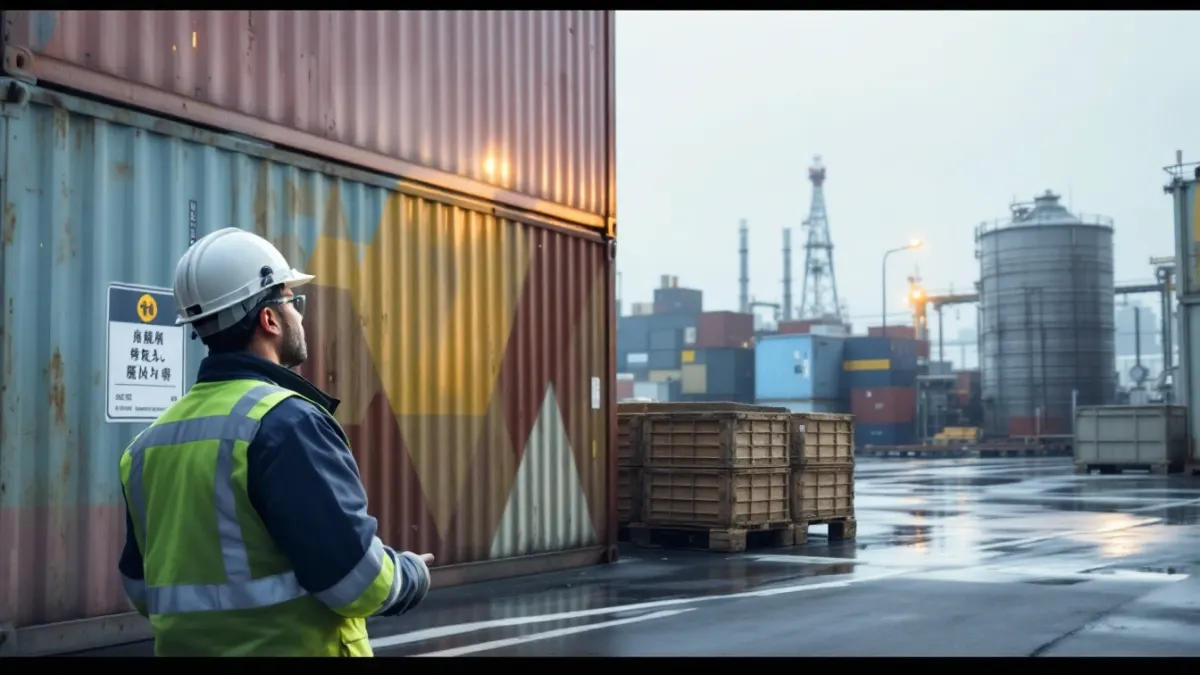
Global momentum on renewable energy remains fragmented, with many countries slow to transition despite mounting climate pressure. Japan just flipped the script with its new Sendai Port biomass power plant, which began commercial operations in late 2025.
Sendai-ko Biomass Power GK operationalized this facility at Sendai Port, marking a leap in biomass energy productivity. But this isn’t just another plant launch—it’s a structural shift in energy infrastructure leverage that quietly repositions Japan’s power generation constraints.
Activating biomass at a port hub creates a near-autonomous system where fuel logistics, power generation, and distribution intersect seamlessly. This reduces dependency on fossil fuels while optimizing operational flows with minimal human intervention.
Energy systems that integrate supply with location-based advantage compound leverage over time.
Why Biomass Power Isn’t Just Greenwashing
Conventional wisdom frames biomass as costly and less efficient than solar or wind, relegated to niche green agendas. But the Sendai Port plant reveals this view lacks nuance—biomass here is a leverage play on existing infrastructure rather than a pure cost-cutting move.
Unlike isolated biomass plants that wrestle with fuel supply chain costs, this facility leverages Sendai’s port logistics to streamline biomass feedstock delivery and minimize transport friction. Unlike China’s sprawling but less integrated biomass projects, Japan is embedding power generation into the supply chain itself, shifting constraints from raw resource scarcity to systemic efficiency.
Similar to how USPS restructured operations to control delivery costs, Japan’s move repositions operational constraints, not just costs or emissions.
How Japan Designs Infrastructure for Continuous Leverage
Sendai Port’s biomass plant integrates three layers: fuel acquisition, on-site conversion, and grid power feed-in. This architecture reduces manual handling, lowering operational risk and cost volatility—key constraints in distributed energy systems.
Unlike Germany’s biomass plants reliant on road transport, the port location allows near-continuous ship-to-plant biomass offloading, a system-level advantage that enables steady output with less human input. This mirrors patterns seen in robotics firms’ automation of repetitive tasks, shifting labor constraints to scalable technology.
The plant’s design prioritizes automation and proximity, creating a compound feedback loop: steady biomass fuel input enables predictable output, which lowers grid integration risk and attracts further investment.
Implications for Japan and Beyond
The key constraint redefined here isn’t fuel availability or policy support—it’s tactical system design that embeds energy production into logistics infrastructure. Countries with major port hubs like South Korea or Singapore could replicate similar leverage by co-locating renewable generation to fuel flow nodes.
Operators and investors must recognize that raw capacity alone can’t beat integrated infrastructure advantage. This model fosters sustainability wrapped around operational predictability, essential for long-term power market positioning.
Japan’s Sendai Port biomass plant proves infrastructure-integrated energy unlocks leverage obscured by traditional green narratives.
Related Tools & Resources
For manufacturers seeking to optimize their production systems similarly to how Japan's new biomass facility integrates logistics and energy generation, tools like MrPeasy can streamline inventory control and production planning. Embracing such innovative approaches can significantly enhance operational efficiency in a competitive market. Learn more about MrPeasy →
Full Transparency: Some links in this article are affiliate partnerships. If you find value in the tools we recommend and decide to try them, we may earn a commission at no extra cost to you. We only recommend tools that align with the strategic thinking we share here. Think of it as supporting independent business analysis while discovering leverage in your own operations.
Frequently Asked Questions
What is biomass power and how does it compare to solar or wind energy?
Biomass power generates energy by converting organic material into electricity. It is often considered less efficient and more costly than solar or wind; however, facilities like Japan's Sendai Port biomass plant leverage existing infrastructure to improve efficiency and reduce operational costs.
How does integrating biomass power with port logistics improve energy production?
Co-locating biomass plants at ports, such as Sendai Port, enables seamless fuel logistics, reducing transport friction and manual handling. This integration allows near-continuous biomass feedstock delivery, lowering operational risk and enabling steady power output.
Why is Japan's Sendai Port biomass power plant significant in renewable energy?
Japan's Sendai Port biomass power plant, operational since late 2025, represents a structural shift by embedding power generation into logistics infrastructure, enhancing system-level leverage and reducing reliance on fossil fuels.
What operational advantages does automation bring to biomass power plants?
Automation in biomass plants reduces manual handling, lowers operational risks and costs, and creates feedback loops that improve fuel input consistency and power output predictability, as seen in Sendai Port's facility design.
How can other countries replicate Japan's biomass power plant model?
Countries with major port hubs like South Korea or Singapore can replicate Japan's model by co-locating renewable generation at fuel flow nodes to create integrated systems that maximize logistical and operational leverage.
What constraints does integrating energy production with logistics help overcome?
Integrating energy production with logistics infrastructure shifts constraints from raw resource scarcity and high transport costs to systemic efficiency, operational predictability, and reduced grid integration risks.
How does Sendai Port biomass power plant optimize biomass feedstock delivery?
The plant uses the port's logistics to streamline biomass feedstock delivery via ship-to-plant offloading, enabling near-continuous supply and minimizing transport costs compared to isolated biomass plants relying on road transport.
What is the impact of infrastructure-integrated energy on long-term power markets?
Infrastructure-integrated energy systems foster sustainability and operational predictability, attracting investment and enhancing power market positioning by leveraging existing logistics rather than relying solely on capacity expansion.