
Why LogicMonitor’s Catchpoint Deal Signals AI Observability Shift

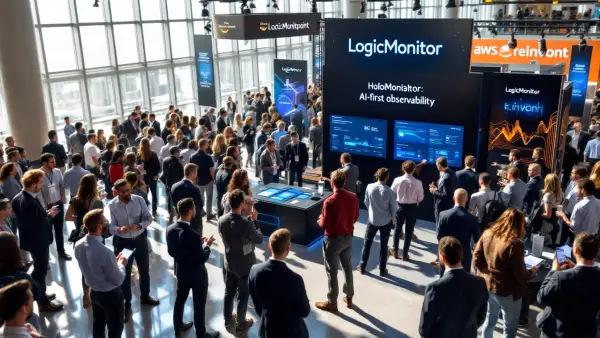
Cloud infrastructure monitoring typically demands multiple platforms, inflating operational costs by 20-30%. LogicMonitor shattered this norm at AWS re:Invent 2025 by announcing its acquisition of Catchpoint Systems Inc., consolidating AI-driven observability under one roof. This move transcends mere M&A—it represents a systemic repositioning that eliminates friction between user experience and backend monitoring. True leverage lies in systems that automate insight without human bottlenecks.
Conventional wisdom sees acquisitions like this as incremental upgrades for monitoring breadth. They miss the core strategic constraint LogicMonitor addresses: fractured observability tooling inhibits autonomous IT management. Piecing together siloed metrics from competitors like Datadog and New Relic demands costly manual integration, raising costs per monitored asset. This contrasts with LogicMonitor’s AI-first platform that now offers end-to-end visibility, reducing integration overhead radically. For a deep dive on structural leverage failures in tech, see Why 2024 Tech Layoffs Actually Reveal Structural Leverage Failures.
LogicMonitor’s deal automates synthesis of user experience and infrastructure health metrics by folding in Catchpoint’s digital experience monitoring. Competitors like AppDynamics or Splunk still rely on stitching disparate data pipelines. This consolidation drops manual labor costs and shortens incident response times from hours to minutes. Unlike firms spending millions on installing overlapping observability tools, LogicMonitor reduces cost per alert by centralizing AI interpretation. This system design works autonomously, requiring less human intervention and creating compounding advantage as AI models improve with more unified data.
Strategically, LogicMonitor’s timeline advantage is decisive. Catchpoint’s 10 years of experience scaling global endpoint monitoring meshes with LogicMonitor’s infrastructure roots. Replicating this requires acquiring multiple specialized firms over many years. Meanwhile, broader cloud adoption and rising AI complexity funnel demand into platforms that provide autonomous observability. For strategic constraints on profit lock-in in tech markets, see Why Wall Street’s Tech Selloff Actually Exposes Profit Lock-In Constraints.
The acquisition signals the shift from human-driven triage to autonomous IT management. The key constraint now is not data volume but data cohesion—and LogicMonitor’s unified AI observability platform removes that barrier. Executives at cloud-first enterprises must watch this move closely, as it shapes who controls the autonomous operations layer. This model unlocks faster scaling without headcount growth, the fundamental leverage in IT. For operational leverage unlocked by automation, see Enhance Operations With Process Documentation Best Practices.
“The future of IT is autonomous systems that think holistically, not fragmented tools that demand endless human stitching.”
Related Tools & Resources
As companies look to navigate the complexities of AI-driven observability, harnessing innovative tools like Blackbox AI can streamline the development process. This aligns perfectly with LogicMonitor’s shift towards autonomous IT management, showcasing how advanced AI solutions can empower teams to optimize coding efforts and integrate seamlessly with overarching strategies. Learn more about Blackbox AI →
Full Transparency: Some links in this article are affiliate partnerships. If you find value in the tools we recommend and decide to try them, we may earn a commission at no extra cost to you. We only recommend tools that align with the strategic thinking we share here. Think of it as supporting independent business analysis while discovering leverage in your own operations.
Frequently Asked Questions
What is the significance of LogicMonitor acquiring Catchpoint Systems?
LogicMonitor's acquisition of Catchpoint Systems consolidates AI-driven observability into a single platform, cutting operational costs by 20-30% and automating synthesis of user experience and infrastructure health metrics.
How does LogicMonitor’s AI-first platform differ from competitors like Datadog and New Relic?
Unlike competitors that require costly manual integration of siloed metrics, LogicMonitor offers end-to-end visibility that reduces integration overhead radically and lowers cost per alert through centralized AI interpretation.
How does the acquisition impact incident response times?
By folding in Catchpoint’s digital experience monitoring, LogicMonitor reduces incident response times from hours to minutes, streamlining autonomous IT management with less human intervention.
Why is data cohesion more important than data volume in AI observability?
The core constraint is data cohesion; LogicMonitor’s unified AI observability platform removes the barriers of fragmented data, enabling autonomous IT management and faster scaling without increasing headcount.
What advantages does Catchpoint bring to LogicMonitor?
Catchpoint brings 10 years of experience in global endpoint monitoring, which meshes with LogicMonitor’s infrastructure roots to create a timeline advantage difficult to replicate without multiple acquisitions.
How does LogicMonitor’s platform reduce operational costs?
LogicMonitor reduces operational costs by 20-30% by eliminating the need for multiple platforms, lowering manual labor costs, and centralizing AI interpretation to cut cost per alert and integration overhead.
What does autonomous IT management mean in the context of LogicMonitor’s platform?
Autonomous IT management refers to systems that automate insight synthesis between user experience and backend monitoring, reducing human bottlenecks and enabling faster, more efficient incident response and scaling.
How is LogicMonitor's acquisition aligned with broader industry trends?
The acquisition aligns with growing cloud adoption and rising AI complexity, funneling demand into platforms that provide autonomous observability, signaling a shift from human-driven triage to AI-powered IT operations.