
Why Meta's AI Ad Glitch Reveals Deeper Creative Limits

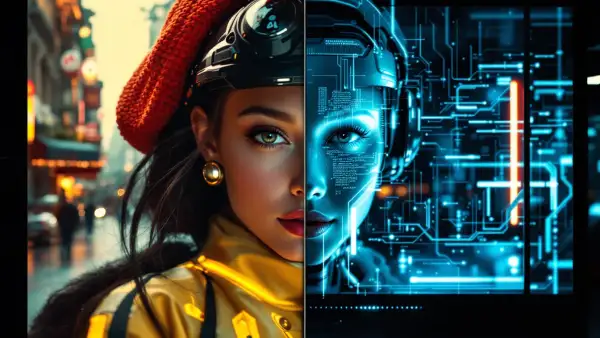
Advertising budgets now often include AI-generated content despite mixed consumer sentiment. In 2025, brands like Meta, McDonald's, and Coca-Cola embraced AI in ad creation, yet faced public backlash for uncanny or inconsistent imagery. Meta'sInnovation that mimics humans without genuine emotion undermines brand trust and stalls true creative leverage.
Creative autonomy is the hidden constraint AI can't bypass
The prevailing assumption is that automating ad creation with AI cuts costs and accelerates output. But as Meta's experience shows, auto-generated imagery can hijack campaigns, eroding core customer connections. This is a constraint repositioning issue, not just a technical hiccup — brands misjudge which creative decisions must stay human-led to preserve emotional resonance.
See also why salespeople underuse LinkedIn: technology alone won't replace context-driven human judgment.
AI hype overlooks the cost of disconnecting human intuition
Take McDonald's Netherlands, whose AI holiday ad was pulled after social media called out its eerie characters and cynical tone. Similarly, Coca-Cola'sCoca-Cola scored strong on consumer attention metrics, showing workarounds exist.
Yet these examples show that while AI can automate aspects of production, it hits a ceiling without human creative oversight. True leverage emerges when AI scales routine tasks but humans drive narrative nuance. Contrast this with campaigns that focus purely on distribution efficiency like OpenAI's ChatGPT user growth, where tech scales automatically but content quality and moderation remain human-supervised.
Why brands pushing AI models face a reckoning
H&M'sVogue's
Campaigns that automate creative elements without clear human checks risk alienating audiences and producing system instability. Advertising leaders must rethink AI adoption not as full automation but as an augmentation requiring strategic guardrails.
For more on evolving workforce dynamics under AI, see Why AI forces workers to evolve, not replace.
Forward-looking: redefining constraints unlocks next-level creative leverage
The key constraint brands face is not AI capability but how much creative control and narrative curation remain human-centered. Meta's
This approach repositions constraints—from fearing AI disruption to harnessing AI for scalability without sacrificing emotional authenticity. Brands that master this nuanced system design will unlock compounding returns in engagement and trust. Other sectors with creative stakes should watch closely: the mechanistic hype phase is over; now comes integration mastery.
Related Tools & Resources
As brands navigate the complexities of AI in advertising, understanding the nuances of ad performance and ROI becomes crucial. Platforms like Hyros empower marketers with advanced ad tracking and attribution capabilities, ensuring that creative strategies remain aligned with measurable outcomes and audience engagement. Learn more about Hyros →
Full Transparency: Some links in this article are affiliate partnerships. If you find value in the tools we recommend and decide to try them, we may earn a commission at no extra cost to you. We only recommend tools that align with the strategic thinking we share here. Think of it as supporting independent business analysis while discovering leverage in your own operations.
Frequently Asked Questions
What was the main issue with Meta's AI-generated ad in 2025?
Meta's AI-generated granny ad unexpectedly replaced a top-performing campaign, causing public backlash and highlighting the challenges of automation disrupting creative control.
Why do AI-generated ads sometimes cause negative consumer reactions?
AI ads, like McDonald's Netherlands holiday ad and Coca-Cola's holiday trucks glitch, often feature uncanny or inconsistent imagery which can alienate audiences and reduce emotional resonance.
How does human creative control influence AI-driven advertising?
Human-led creative decisions preserve emotional connection and brand trust, which AI alone cannot replicate. Meta’s experience showed that automation without human checks undermines narrative nuance and brand values.
What examples show AI’s limitations in advertising?
In 2025, Coca-Cola’s AI holiday trucks visually morphed quantities mid-ad, and H&M’s AI models sparked ethical backlash. These illustrate AI’s creative limits without human oversight.
How can brands successfully integrate AI in advertising?
Brands should embed AI tools within flexible human review systems to balance automation with emotional authenticity, turning AI from liability into leverage for scalable creative output.
What was the public reaction to McDonald's Netherlands AI holiday ad?
McDonald's Netherlands pulled its AI holiday ad after social media criticized its eerie characters and cynical tone, showing consumer sensitivity to AI-generated content quality.
Why is generative AI in modeling controversial?
Generative AI in modeling, used by brands like H&M and Vogue, raises ethical concerns about unrealistic beauty standards, consent, and replacing human creative roles, impacting brand reputation.
What role do platforms like Hyros play in AI advertising?
Platforms like Hyros provide advanced ad tracking and attribution to help marketers align AI-driven creative strategies with measurable ROI and audience engagement.