
Why Netflix’s $11M Sci-Fi Fraud Reveals Flaws in Creative Leverage

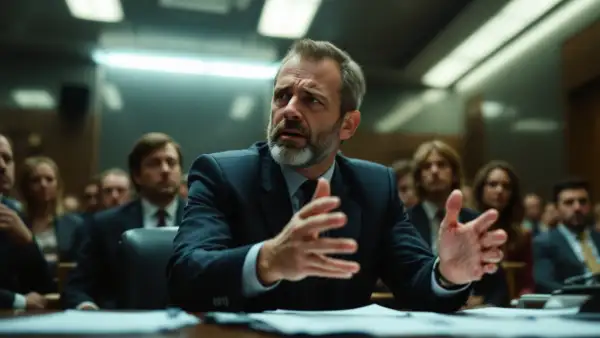
The $11 million loss Netflix incurred on the failed sci-fi series White Horse exposes a critical flaw in managing complex productions. Former Netflix executive Peter Friedlander testified that director-producer Carl Rinsch repeatedly missed deliverables, despite early visionary footage.
Friedlander, who helped develop hits like House of Cards and Orange is the New Black, described unproductive meetings and budget explosions that Netflix was powerless to control. This wasn’t just a creative flop — it was a systemic breakdown in production leverage.
But the real failure was in how Netflix’s system weighted creative ambition over logistical constraints, allowing $11 million to drain with minimal oversight. Understanding these hidden constraint shifts reveals why some large-scale projects implode before they hit screens.
“Vision alone doesn’t pay the bills, but rigor in managing complexity does.”
Why chasing visionary creativity is a leverage trap
Conventional wisdom praises wide latitude for creative talent, believing it unlocks breakthroughs like Netflix’s prior streaming hits. This mentality assumes creators will self-manage challenges like international shoots and budget controls.
The White Horse saga proves the opposite: When systems fail to enforce project discipline, visionary ambitions become liabilities. Constraint repositioning—not just more money or time—is the real game changer.
Netflix pushed millions without securing a critical line producer role, essential for coordinating shoots across six countries. Unlike studios with tighter logistical anchors, this left the project floating, vulnerable to overruns and fraud.
For contrast, studios like Amazon MGM Studios systematically integrate production managers early to handle complexity—a move that Friedlander himself joined post-Netflix, illustrating the leverage gap.
Inside the system failures that disguised fraud
The project’s unraveling hinged on ineffective info flow: Rinsch repeatedly avoided meetings and failed to provide promised footage updates. Netflix’s trust was exploited as funds flowed.
Unlike competitors who enforce milestone-based payments tied to tangible deliverables, Netflix relied on goodwill and unstructured updates, creating a loophole for misuse—reported spending on Rolls-Royces and cryptocurrency bets.
This contrasts with how companies like OpenAI structure development sprints with measurable outputs, minimizing cash flow risk.
OpenAI’s data-driven feedback loops offer a model for transparent progress checks, missing in White Horse.
Leverage lessons from a coffee table book
The bizarre late-stage deliverable—a high-gloss coffee table book—symbolizes misaligned incentives. Instead of producing episodes, Rinsch created glossy optics to impress Netflix, buying time rather than value.
This move exploited the system’s lack of automated progress tracking, revealing a leverage constraint: when human trust replaces process rigor, fraud finds a foothold.
Wall Street’s leverage traps similarly show that unmanaged complexity invites failure, regardless of scale or intent.
What the industry must fix next
The critical constraint Netflix failed to address is balancing creative freedom with systemized production controls. Operators investing hundreds of millions in original content must embed leverage mechanisms—line producers, milestone tracking, and consequence-driven payments.
As Amazon MGM Studios embraces and Netflix exits key personnel like Friedlander, the industry must rethink how creative projects are operationalized to avoid capital waste.
Studios that master the tension between vision and process will unlock sustainable creative leverage.
Explore how creative and operational systems interlock in process documentation best practices and why structural leverage failures continue to hobble large organizations.
Related Tools & Resources
As the complexities of creative projects mount, leveraging tools like Copla can assist in developing standard operating procedures that ensure projects stay on track. By streamlining workflows and enhancing teams' collaboration, this platform supports the essential balance between creative vision and operational rigor discussed in the article. Learn more about Copla →
Full Transparency: Some links in this article are affiliate partnerships. If you find value in the tools we recommend and decide to try them, we may earn a commission at no extra cost to you. We only recommend tools that align with the strategic thinking we share here. Think of it as supporting independent business analysis while discovering leverage in your own operations.
Frequently Asked Questions
What caused Netflix's $11 million loss on the sci-fi series White Horse?
Netflix's $11 million loss was caused by production failures including missed deliverables, budget overruns, and fraud linked to the director-producer Carl Rinsch who avoided meetings and failed to deliver promised footage.
How did Netflix's system fail in managing the White Horse project?
Netflix prioritized creative ambition over logistical constraints, lacking key roles like a line producer and milestone-based payment controls, which led to ineffective oversight and allowed misuse of funds.
What is the leverage trap discussed in relation to creative projects?
The leverage trap refers to the risk of giving excessive creative freedom without enforcing systemized production controls, which can turn visionary ambition into financial liabilities as seen with White Horse.
How do other studios like Amazon MGM handle production risks differently?
Amazon MGM Studios integrates production managers early in projects and enforces milestone tracking and consequence-driven payments to manage complexity and avoid failures like those at Netflix.
What role did fraud play in the White Horse production failure?
Fraud involved misuse of funds reportedly spent on luxury items like Rolls-Royces and cryptocurrency bets, facilitated by unstructured updates and Netflix’s reliance on goodwill rather than milestone payments.
What lessons can the entertainment industry learn from the White Horse case?
The industry must balance creative freedom with operational rigor by embedding leverage mechanisms such as line producers, milestone tracking, and consequence-driven payments to avoid capital waste.
How can tools like Copla help creative productions?
Copla helps develop standard operating procedures, streamlines workflows, and enhances collaboration, supporting the balance between creative vision and operational discipline essential for project success.
What is constraint repositioning in managing creative projects?
Constraint repositioning means adjusting project constraints like roles and processes rather than just increasing budget or time, which is key to handling complexities and preventing failures like Netflix’s White Horse.