
Why South Africa’s Cell C Slashed IPO Valuation to R9 Billion

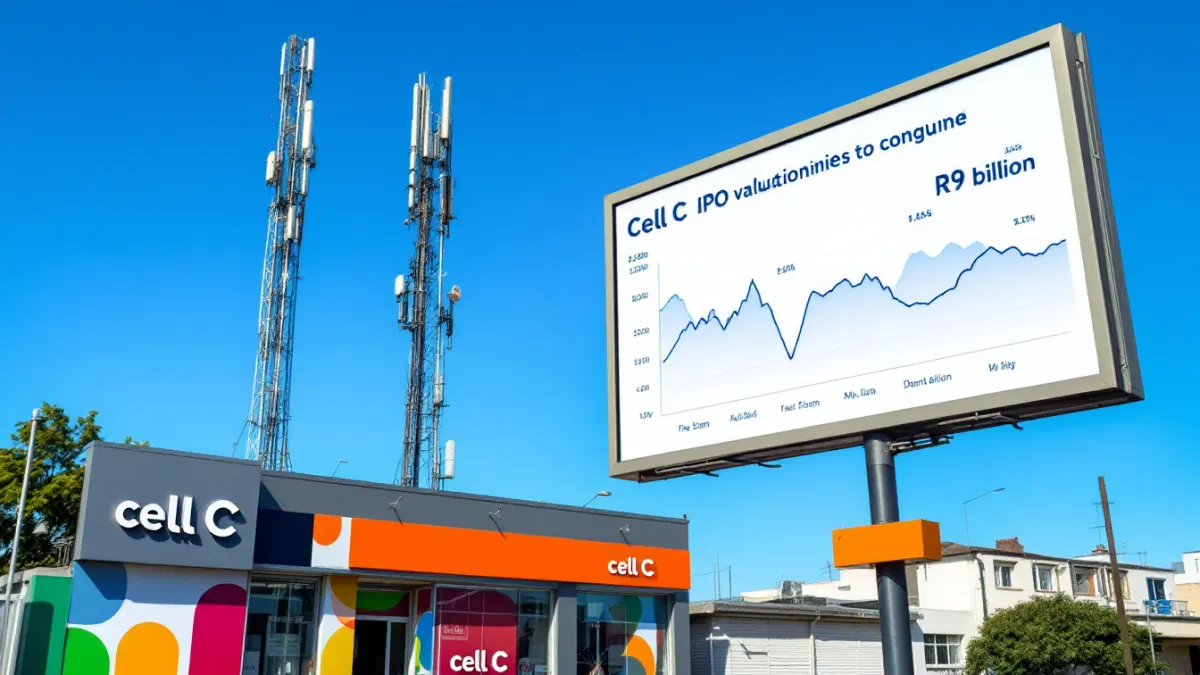
South Africa’s telecom valuation debates highlight a wider strain on emerging markets’ capital access. Cell C just cut its IPO valuation to R9 billion, signaling a critical shift in regional funding dynamics.
Cell C, one of South Africa’s major mobile network operators, announced the valuation cut amid mounting debt concerns and fierce competition from MTN and Vodacom. But this move is less about lowering price tags—it’s about resetting leverage points to secure sustainable growth.
Slashing valuation adjusts investor expectations and reposition constraints, enabling Cell C to rebuild creditworthiness without immediate dilution. It’s a system-level pivot, reflecting how capital markets impose pressure that reshapes execution strategy.
“Valuations aren’t just numbers—they signal where strategic leverage is strongest.”
Why Valuation Cuts Are Not Just Cost-Cutting
Conventional wisdom frames IPO valuation drops as weakness or failure. Analysts often see Cell C's move as a reaction to financial stress. This misses the real mechanism: constraint repositioning.
Cell C shifts its primary constraint from aggressive growth capital to manageable debt levels, unlocking breathing room to optimize operations. Unlike rivals MTN or Vodacom who lean heavily on large capital raises, Cell C accepts lower valuation to preserve long-term leverage.
This echoes systems thinking outlined in how to improve business efficiency with smart leverage by realigning corporate pressure points.
Cell C’s Strategic Leverage In Debt-Constrained Environments
South Africa’s telecom market faces intensifying competition and debt risk. Moody's recent downgrade of Liquid Telecom highlights the pressure lenders apply to network operators. Cell C's valuation cut reduces pressure to chase high-cost debt or risky acquisitions.
Instead, it focuses on operational efficiency and system-level automation for cost control, a classic approach discussed in how to automate business processes for maximum business leverage. This operational constraint shift supports sustainable growth without constant capital infusion.
What South African Operators Can Learn from This
The key constraint moving forward is negotiating capital structure to enable scalable systems rather than chasing inflated valuations. Cell C's lowered IPO price resets market expectations and positions the company for faster debt deleveraging.
Other emerging markets with similar debt risks and competitive pressures can replicate by reprioritizing constraints rather than pursuing headline valuations. This requires accepting short-term trade-offs for long-term system advantages.
Systems thinking frameworks will be essential for African telecoms navigating this balance.
“Control over financial constraints defines who wins in capital-intensive markets.”
Related Tools & Resources
In complex and debt-constrained environments like Cell C's, operational efficiency and clear process management become crucial for sustainable growth. For businesses looking to realign constraints and streamline their workflows, Copla offers an intuitive platform to document and optimize standard operating procedures, helping teams maintain strategic leverage in shifting market conditions. Learn more about Copla →
Full Transparency: Some links in this article are affiliate partnerships. If you find value in the tools we recommend and decide to try them, we may earn a commission at no extra cost to you. We only recommend tools that align with the strategic thinking we share here. Think of it as supporting independent business analysis while discovering leverage in your own operations.
Frequently Asked Questions
Why did South Africa's Cell C reduce its IPO valuation to R9 billion?
Cell C cut its IPO valuation to R9 billion to reset leverage points amid mounting debt concerns and fierce competition from MTN and Vodacom. This strategic move helps the company preserve long-term leverage and rebuild creditworthiness without immediate dilution.
How does lowering IPO valuation affect investor expectations?
Lowering IPO valuation adjusts investor expectations by repositioning constraints, enabling the company to manage debt levels effectively and optimize operations rather than focusing solely on aggressive growth capital.
What challenges in South Africa's telecom market influence valuation decisions?
The telecom market faces increasing competition and debt risk, highlighted by Moody's recent downgrade of Liquid Telecom. Operators like Cell C reduce valuation pressure to avoid high-cost debt and risky acquisitions.
How can operational efficiency support telecom companies in debt-constrained environments?
Operational efficiency, including system-level automation for cost control, helps telecom companies maintain sustainable growth without constant capital infusion, as evidenced by Cell C's focus after its valuation cut.
What is constraint repositioning in business strategy?
Constraint repositioning involves shifting the primary business constraint, such as from raising aggressive growth capital to managing debt levels, to unlock breathing room and optimize overall operations.
How can other emerging markets benefit from Cell C's valuation strategy?
Emerging markets with similar debt risks can replicate Cell C's approach by reprioritizing constraints rather than pursuing inflated valuations, accepting short-term trade-offs for sustainable long-term system advantages.
What role does systems thinking play in managing business leverage?
Systems thinking realigns corporate pressure points and constraints to improve business efficiency and leverage, helping companies navigate competitive and debt pressures effectively.
How does Cell C's valuation strategy compare to rivals like MTN and Vodacom?
Unlike MTN and Vodacom that rely heavily on large capital raises, Cell C accepts a lower valuation to preserve long-term leverage and reduce pressure from high-cost debt, focusing instead on operational efficiency.