
Why Uber and Avride’s Dallas Robotaxis Signal Autonomous Leverage Shift

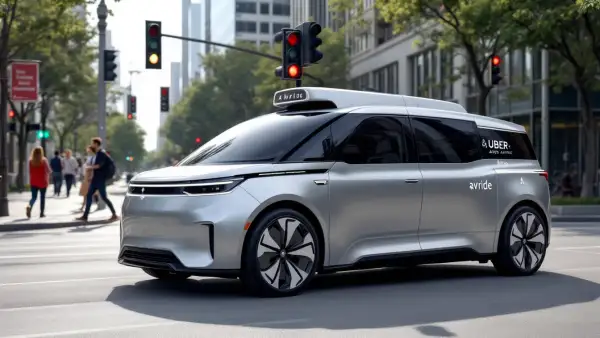
Autonomous vehicle pilots often start with no safety drivers, but Uber and Avride chose a different path in Dallas. In December 2025, they launched their robotaxi service with a human safety operator physically behind the wheel, monitoring each ride. This method isn't just cautious; it’s a strategic system design to unlock safer scaling and regulatory leverage.
Safety operators act as a feedback loop, reducing risk costs as the software learns real-world nuances without fully removing human intervention. This hybrid system creates a leverage point where automation grows without exposing Uber to catastrophic failures early on.
Challenging the Fully Autonomous Narrative
Industry expectations frame robotaxi launches as pure pilots for driverless cars. They expect operators to vanish immediately, assuming full autonomy is the only lever. Uber and Avride reject this binary by layering human oversight to reposition constraints.
This aligns with how Tesla reevaluated safety data to adjust its deployment strategy, showing early autonomy without driver removal can backfire. Rather than pushing full autonomy, the human-in-loop model controls risk while collecting richer data, a critical leverage point often overlooked.
Why Human Operators Behind the Wheel Matter in Dallas
Dallas serves as a regulatory and geographic testing ground, with mixed urban and suburban traffic patterns. Some autonomous attempts to skip the human monitor risk regulatory pushback or safety incidents that stall rollout.
Competitors like Waymo and Cruise also deploy safety drivers but focus intensely on gradual removal. Uber and Avride emphasize leveraging the human operator for a longer phase to smooth adaptation and real-time intervention. This reduces the cost of mistakes and data gaps, unlike firms that fully bet on sensor suites and edge AI prematurely.
It’s a form of constraint identification: the largest bottleneck isn't technology alone, but regulatory compliance and operational safety risk management. The hybrid model forces focus on those elements.
Scaling Robotaxis Through Constraint Repositioning
This strategy quietly shifts the constraint from technology maturity to human-machine system integration. Human safety operators become leverage points that enable gradual software refinement without customer churn or regulatory fines.
Similar robotics firms show the power of mixed autonomy in enabling systems that compound advantages by learning safely at scale.
This approach also reframes AI as an augmentation tool, not a replacement, forcing operators to evolve into new roles that complement automation.
Why This Reality Will Shape Urban Mobility Everywhere
The constraint repositioned here is regulatory and operational risk, not just engineering. Dallas’s unique mix of traffic and regulation is the stage where this hybrid leverage model proves its value. Cities with complex traffic patterns can adopt this system to jumpstart robotaxi economies.
Operators in autonomous vehicles won’t disappear overnight. Instead, the phase where humans monitor robotaxis becomes a scalable leverage layer that unlocks economic benefits and safer public adoption.
“Leveraging humans to scale autonomy creates compounding safety and operational advantages,” explains this new paradigm. Watch Uber and Avride closely; their Dallas rollout is more than a pilot, it’s a blueprint for layered leverage in robotaxi deployment.
Related Tools & Resources
For companies navigating the complex landscape of autonomous vehicles and safety operators, integrating AI solutions like Blackbox AI can enhance software development and risk management. As the article outlines the importance of blending human oversight with automation, utilizing AI-powered tools ensures continuous improvement in operational efficiency and safety. Learn more about Blackbox AI →
Full Transparency: Some links in this article are affiliate partnerships. If you find value in the tools we recommend and decide to try them, we may earn a commission at no extra cost to you. We only recommend tools that align with the strategic thinking we share here. Think of it as supporting independent business analysis while discovering leverage in your own operations.
Frequently Asked Questions
Why did Uber and Avride choose to launch their robotaxi service with human safety operators in Dallas?
Uber and Avride launched their robotaxi service in Dallas in December 2025 using human safety operators behind the wheel to monitor rides. This cautious approach reduces risk and allows safer scaling and regulatory leverage by combining human oversight with automation.
How does the human-in-loop model benefit autonomous vehicle deployment?
The human-in-loop model reduces risk costs as software learns real-world nuances without full human removal. This hybrid system enables gradual software refinement while avoiding catastrophic failures early in deployment, providing critical leverage for safer scaling.
Why is Dallas a significant location for testing robotaxis with safety operators?
Dallas offers a regulatory and geographic testing ground with mixed urban and suburban traffic patterns. This environment helps test the hybrid leverage model for risk management and compliance while smoothing adaptation with real-time human intervention.
How does Uber and Avride's approach differ from competitors like Waymo and Cruise?
Unlike competitors focusing on gradual removal of safety drivers, Uber and Avride emphasize leveraging human operators longer to reduce costs from mistakes and data gaps. This reflects a focus on regulatory compliance and operational safety risk management instead of technology maturity alone.
What is the significance of the constraint repositioning strategy in robotaxi scaling?
The strategy shifts the constraint from technology maturity to human-machine system integration. Human safety operators become leverage points that enable incremental software improvements without risking customer churn or regulatory fines, accelerating safer adoption.
How does this hybrid model influence the future of urban mobility?
The hybrid human-operator model offers a scalable leverage layer that balances regulatory and operational risk with automation benefits. This approach can help cities with complex traffic jumpstart robotaxi economies by ensuring safer public adoption.
What role does AI play in Uber and Avride's robotaxi strategy?
AI acts as an augmentation tool rather than a replacement for humans. This approach forces operators to evolve into new complementary roles, blending human oversight with software development and risk management to enhance operational efficiency and safety.
Are there tools recommended to support autonomous vehicle safety integration?
Yes, the article mentions AI solutions like Blackbox AI, which help improve software development and risk management by blending human oversight with automation, ensuring continuous operational efficiency and safety improvement.