
Why UPS’s Use of Aging MD-11 Planes Reveals a Dangerous Leverage Trap

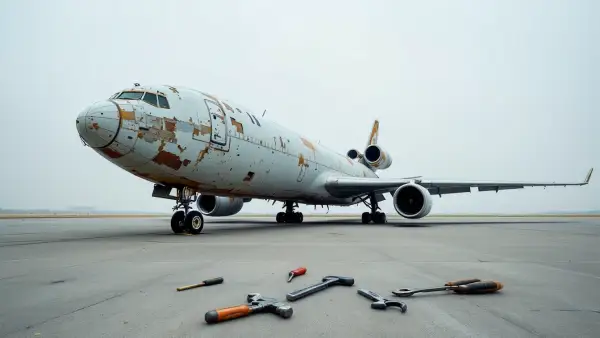
Keeping decades-old MD-11 jets flying might save UPS millions in maintenance costs, but it created a lethal risk that exploded in Kentucky last month. The UPS cargo plane crash near Louisville killed 3 pilots and 11 people on the ground after an engine detached mid-takeoff, shedding light on the dangers of asset aging in logistics fleets.
This wasn’t just an accident; it exposed how UPS and FedEx rely on 30+ year-old aircraft averaging 9% and 4% of their fleets respectively, choosing cost savings over rigorous inspection frequency. The real failure is in a system where extended aircraft lifespan compounds fatigue risks far faster than maintenance intervals adapt.
UPS’s decision to not increase engine mount inspections beyond standard schedules transformed old planes from leverage assets into exponential liabilities. But the deeper mechanism is how business leaders juggle profitability constraints with safety, often underestimating aging infrastructure risks across logistics networks.
“Extending plane life saves money but exponentially increases fatigue fracture risk,” explains Robert Clifford, a veteran plane crash lawyer.
Conventional Cost-Cutting Harms Safety Margins
The default narrative attributes the crash to an isolated mechanical failure. Analysts frame the grounding of all MD-11s after the crash as a rigorous but necessary regulatory response. They miss that UPS’s approach is a strategic, sustained risk tradeoff rather than a one-off lapse.
Instead of treating fleet aging as a constraint demanding inspection scaling, UPS compressed inspection frequency to control downtime and maintenance spend. This is why systemic legal scrutiny follows; it’s not just negligence but a designed leverage system gone wrong.
This pattern echoes cross-industry plays in cost containment where operating older assets longer delivers temporary leverage but delays an inevitable, risk-driven reckoning. See parallels in why 2024 tech layoffs reveal structural leverage failures in workforce scale.
Insight from Maintenance and Inspection Gaps
The crashed plane had recently completed a six-week maintenance cycle repairing major structural cracks, yet the engine mount hadn’t seen a detailed inspection for four years. The next one wasn't due for another 7,000 takeoff/landing cycles, highlighting a mismatch between asset condition and inspection cadence.
Unlike newer fleets, where advanced telemetry and AI-driven predictive maintenance cut costs and risks, the aging MD-11 fleet depends on scheduled manual inspections prone to underserving accelerating wear. This gap is a leverage constraint—the inspection interval—that UPS chose not to tighten.
Competitors like Amazon and FedEx face similar challenges but may prioritize fleet renewal or technological upgrades differently, correlating with operational risk tolerance.
For comparison, see how USPS’s recent price hike signals operational shifts that balance cost and service.
Legal Battles Highlight Systemic Faults, Not Isolated Errors
Wrongful death lawsuits named not only UPS but Boeing, GE, and maintenance firm VT San Antonio, illustrating how distributed responsibility converges into a complex leverage failure game.
This legal complexity springs from a system where maintenance outsourcing, aging aircraft, and corporate cost pressures create blurred accountability and cascading failure risk. The lawsuits push the industry to rethink the lever of fleet aging itself rather than piecemeal fixes.
This scenario ties into broader corporate leverage shifts where risk oversight must scale with cost containment, similarly discussed in why Wall Street’s tech selloff exposes profit lock-in constraints.
What UPS’s Dilemma Means for Logistics and Safety Strategies
The core constraint flipped: from cost to safety risk in aging asset management. This demands strategic moves like accelerated fleet renewal, adaptive inspection cycles, and real-time structural monitoring, transforming operational leverage into a sustainable cycle.
Operators in logistics and asset-heavy industries must now recognize that deferring maintenance on aging infrastructure multiplies risk exponentially, eroding any short-term profit advantage.
Geographies with aging infrastructure fleets like the U.S. must now weigh these cost-risk dynamics explicitly, as Kentucky’s tragedy starkly reminds. The next wave of leverage lies in embedding dynamic, data-driven safety systems that operate without constant human intervention, long overdue for highly regulated sectors.
“Profit savings that don’t respect structural constraints multiply systemic risk,” a hard lesson directly from UPS’s unfolding crisis.
Related Tools & Resources
Given the serious implications of aging aircraft and the risks associated with inadequate oversight, implementing advanced video surveillance systems like Surecam can enhance operational safety. By ensuring rigorous monitoring of maintenance procedures and compliance, organizations can significantly reduce risks tied to aging infrastructure and improve accountability. Learn more about Surecam →
Full Transparency: Some links in this article are affiliate partnerships. If you find value in the tools we recommend and decide to try them, we may earn a commission at no extra cost to you. We only recommend tools that align with the strategic thinking we share here. Think of it as supporting independent business analysis while discovering leverage in your own operations.
Frequently Asked Questions
Why did the UPS MD-11 cargo plane crash occur near Louisville?
The crash was caused by an engine detaching mid-takeoff on an aging MD-11 plane. The incident highlighted risks tied to UPS's decision to keep decades-old aircraft flying with extended maintenance intervals, specifically limited engine mount inspections.
How old are the MD-11 planes used by UPS and FedEx?
UPS and FedEx operate MD-11 aircraft that are more than 30 years old, with these planes making up around 9% of UPS’s fleet and 4% of FedEx’s fleet respectively.
What maintenance issues contributed to the UPS plane crash?
Although the crashed plane had recently undergone a six-week maintenance cycle to repair structural cracks, the engine mount had not been inspected in detail for four years and was not scheduled for another inspection until after 7,000 more takeoff/landing cycles, creating a mismatch between wear and inspection frequency.
How does UPS’s inspection schedule differ from newer fleets?
Unlike newer fleets that use advanced telemetry and AI-driven predictive maintenance, UPS’s aging MD-11 fleet relies on scheduled manual inspections. These inspections have longer intervals that may underserve accelerating fatigue risks in older planes.
What are the legal consequences of the UPS cargo plane crash?
Wrongful death lawsuits have been filed against UPS, Boeing, GE, and the maintenance firm VT San Antonio, highlighting shared responsibility in the systemic failure caused by aging aircraft, maintenance outsourcing, and cost pressures.
What strategic changes are recommended for managing aging aircraft?
Experts recommend accelerated fleet renewal, adaptive inspection cycles, and real-time structural monitoring to reduce risks linked with aging fleets and avoid leveraging cost savings at the expense of safety.
How significant is the risk tradeoff in UPS’s fleet management?
UPS’s approach to controlling maintenance spend by compressing inspection frequency shifts the core constraint from cost to safety risk, exponentially increasing the chance of fatigue fractures in planes older than 30 years.
What role could technology play in improving safety for aging logistics fleets?
Implementing advanced video surveillance systems and AI-driven predictive maintenance can enhance operational safety by monitoring maintenance compliance and structural health to prevent accidents caused by aging infrastructure.