
Why Walmart and Costco Closed Thanksgiving While Others Stayed Open

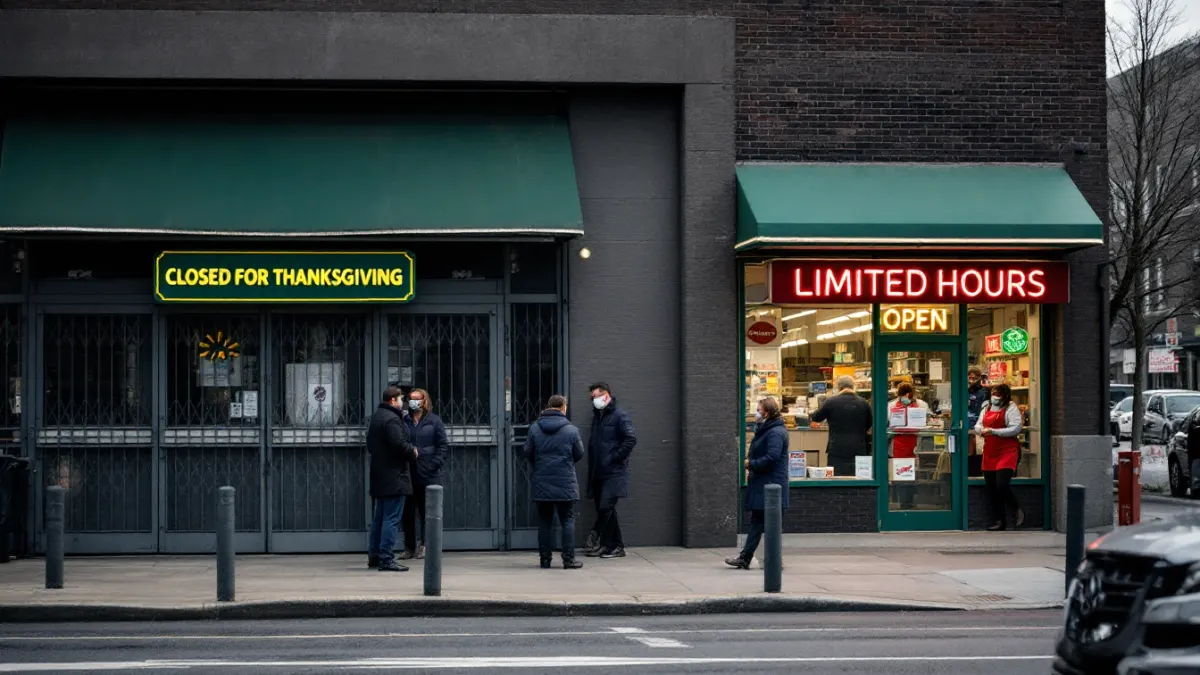
Thanksgiving marks a critical test of retail strategy across the United States. Walmart, Costco, and Target will close their stores on Thanksgiving Day 2025, diverging from chains like Dollar General and CVS that will remain open under limited hours. This signals more than a holiday schedule—it reveals a strategic repositioning around labor cost constraints and consumer behavior.
Shuttering the largest big-box retailers during a high-traffic holiday is counterintuitive. But it’s about optimizing human resource allocation and customer experience to ensure profitability beyond single-day sales surges. Thanksgiving closures reflect an understanding that operational leverage is less about being open every hour and more about when and how to deploy resources effectively.
Behind this move is an emergent leverage mechanism: constraint repositioning from continuous hours to peak efficiency windows. Instead of fighting for every sale moment, chains like Walmart consolidate demand into fewer, higher-value operational hours. This shifts cost structure from labor-intensive 24/7 operations toward scalable peak-period service models.
“Strategic store closures unlock operational savings and boost long-term brand loyalty,” says retail analysts. This reshapes how retailers think about holiday leverage.
Conventional Wisdom Misses the Real Trade-Off
Popular belief casts holiday closures as losses or goodwill gestures. Analysts often interpret open-store policies as pure revenue maximization, assuming more hours equal more sales. That framework is flawed.
This year’s Thanksgiving schedules show the exact opposite: leading chains leverage operational cost reduction by selectively closing stores, repositioning their core constraint from accessibility to profit margin focus. The constraint is not customer demand but labor cost and employee goodwill during holidays.
Unlike chains like Family Dollar (8,000 stores open with varied hours) or Dollar General (20,700 locations mostly open), Costco and Target choose short-term sales sacrifice for better workforce leverage and brand perception. This is akin to strategic partnership tactics that optimize external constraints rather than internal inefficiencies.
How Leading Retailers Reengineer Holiday Labor and Sales Leverage
Dollar General leverages its massive 20,700-store footprint to keep doors open, balancing local staff flexibility and short hours typical for a discount retailer. Most stores will run varying hours, capturing last-minute essentials demand without full-day shifts.
Convenience chains like CVS with 9,000 locations open from 9 a.m. to 2 p.m. re-center their efforts on essential pharmacy services and quick customer needs. This focused window reduces labor inefficiency while maintaining critical public service.
Big-box players such as Wegmans (100 stores) and Whole Foods (530 locations) cut hours drastically—early openings with early closings—to extract peak customer flow without overspending on payroll. This creates concentrated leverage on volume during highest-margin times.
Meanwhile, chains like Walgreens close most stores but keep 24-hour locations open for essential services, blending brand trust with lean operational focus.
Forward-Looking: Why This Shifts Retail Strategy Nationally
The shift reveals a new constraint axis: labor availability and cost at scale on holidays. Chains that effectively reposition this constraint win sustainable margins, not just top-line holiday spikes. This influences workforce management, marketing spend, and inventory flow throughout the year.
Regions with high labor costs and wage pressure will see more retailers adopting restrictive holiday hours, forcing competitors to innovate in off-peak sales channels or digital leverage. This invites a rethink similar to automation-led operational redesign.
Operators who understand this constraint shift can tailor staffing algorithms, digital promotions, and supply chains to win beyond a single holiday’s foot traffic.
Walmart and Costco closing means the leverage battleground is now about quality and timing of customer access, not just access itself.
Related Tools & Resources
Optimizing operations and managing labor costs effectively is crucial for retailers adapting their schedules and workflows as described in this article. For businesses looking to streamline their processes and enforce consistent operating procedures during critical periods like holidays, Copla offers a powerful platform to create and manage standard operating procedures that enhance workforce leverage and operational efficiency. Learn more about Copla →
Full Transparency: Some links in this article are affiliate partnerships. If you find value in the tools we recommend and decide to try them, we may earn a commission at no extra cost to you. We only recommend tools that align with the strategic thinking we share here. Think of it as supporting independent business analysis while discovering leverage in your own operations.
Frequently Asked Questions
Why do some major retailers like Walmart and Costco close on Thanksgiving while others stay open?
Walmart and Costco close on Thanksgiving to optimize labor costs and employee goodwill, focusing on operational leverage during peak efficiency windows rather than maximizing open hours. This strategic repositioning prioritizes sustainable margins over single-day sales spikes.
How does closing stores on Thanksgiving impact retail labor costs?
Closing stores reduces labor-intensive 24/7 operations, allowing retailers to deploy human resources more effectively during higher-margin periods. For example, Costco and Target choose closures to improve workforce leverage and reduce holiday labor expenses.
What is the strategic benefit of limiting store hours during holidays?
Limiting hours consolidates demand into fewer, higher-value operational windows, shifting from continuous access to peak efficiency. This reduces payroll overspending while maintaining customer service during critical times, as seen with CVS opening from 9 a.m. to 2 p.m.
How do discount retailers like Dollar General handle Thanksgiving differently?
Dollar General keeps about 20,700 stores mostly open with varied short hours to balance local staff flexibility and capture last-minute essentials demand without full-day shifts, leveraging their large footprint to maintain accessibility.
What role does labor availability and cost play in holiday retail hours?
Labor availability and cost are key constraints influencing retailers to restrict holiday hours. This constraint axis leads to sustainable margins by focusing on workforce management and operational efficiency instead of maximizing hours open.
Why might retailers with high labor costs adopt restrictive holiday hours?
Retailers in high labor cost regions adopt restrictive hours to control payroll expenses while sustaining profitability. This forces competitors to innovate through off-peak channels or automation-led redesigns to maintain leverage.
How do big-box players like Wegmans and Whole Foods adjust hours on Thanksgiving?
Big-box stores like Wegmans (100 stores) and Whole Foods (530 locations) drastically cut hours with early openings and closings to concentrate customer flow during peak, high-margin times, minimizing overspending on labor.
What is operational leverage in the context of retail holiday scheduling?
Operational leverage involves strategically managing store hours and labor deployment to maximize profitability. It's less about being open continuously and more about aligning resources with peak demand and reducing inefficient labor costs.