
Why Wisconsin’s Snowiest Ski Resort Filed Bankruptcy to Survive

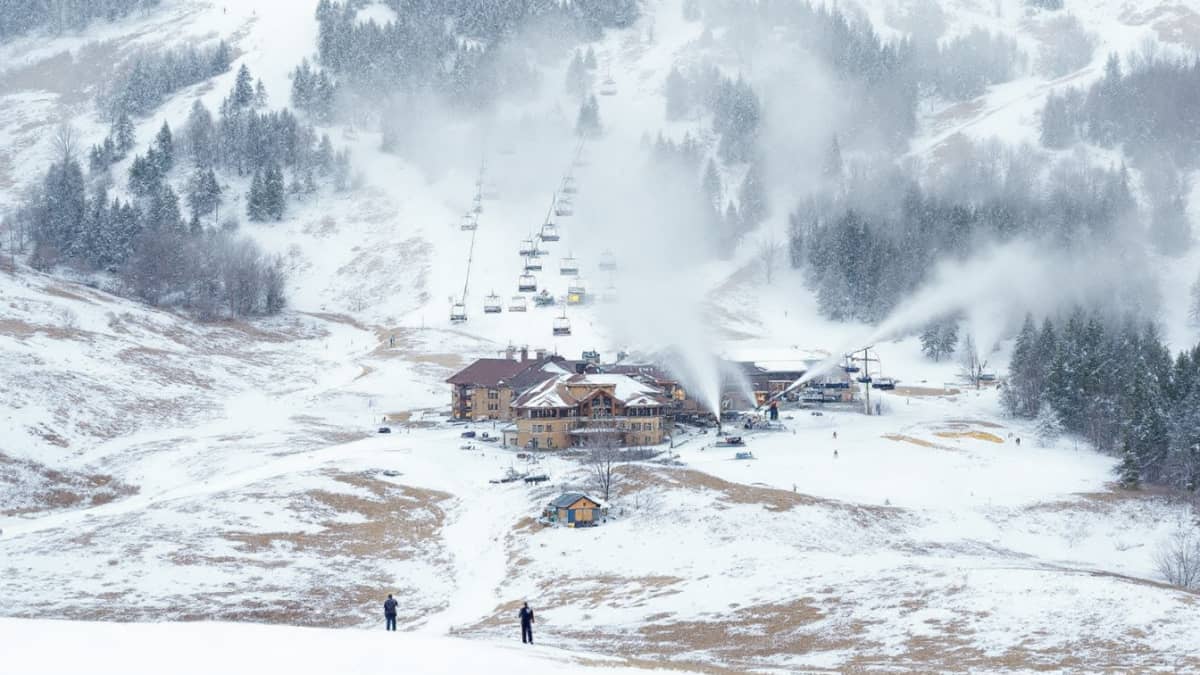
Back-to-back winters with snowfall plunging from 260 to less than 60 inches slashed revenue at Wisconsin’s Whitecap Mountains Resort by more than 60%. The decades-old destination filed for Chapter 11 bankruptcy in November 2025, seeking to stay operational despite mounting debt.
But this isn’t a simple weather story—it's a system-level failure exposing why traditional resorts relying heavily on natural snowfall face near-terminal constraints in climate-volatile regions. Whitecap’s bankruptcy reveals how a lack of strategic constraint repositioning traps businesses in zero-sum cycles of costly weather dependency.
Weather dependency is the real creditor. The resort’s lender, Brighton Asset Management, declared default on $1.86 million in loans after back-to-back low-snow seasons undercut refinancing options. Yet the bankruptcy filing and merger with Glebe Mountains, Inc. establish a path to reorganize around sustainable leverage points—not just survive.
Climate volatility is a constraint, not just risk—it demands system redesign.
Why Betting on Snow Is a Leverage Trap, Not a Hedge
The conventional wisdom says ski resorts succeed by building reputation on natural snowfall and location. Whitecap Mountains leveraged 400 acres with 43 runs, famously among Wisconsin’s snowiest. But their model was exposed when snowfall nosedived from 260 inches in 2022-23 to less than 30 inches the following winter, collapsing revenues from about $1.4 million to just $197,000.
This wasn’t a fluctuation; it was structural. Unlike resorts that deploy snowmaking systems or pivot revenue streams, Whitecap remained deeply leveraged to an uncontrollable external factor: natural snow. This constraint dictated cash flow, refinancing capacity, and ultimately their capital structure.
This shows how systems thinking matters in business survival. Instead of continuous operational improvement around weather risk, Whitecap’s system was brittle to climate variation, creating negative compounding effects on finances and lender confidence.
Bankruptcy as Constraint Repositioning and Reorganization Leverage
Filing for Chapter 11 was more than a lifeline; it is a strategic lever. The automatic stay stops Brighton Asset Management from foreclosure, giving Whitecap operational breathing room and negotiating power instead of liquidation.
The recently announced merger with Glebe Mountains, Inc. isn’t just a formality—it’s a system redesign for cost and operational leverage. Combining resources aims at a more efficient footprint and diversified operational strategy to avoid single-point climate dependency.
Unlike other debt-ridden tourism operations that liquidate or scale down, Whitecap’s path is about repositioning its core constraints—from weather dependence to controlled asset management and diversified revenue models, signaling a forward-looking approach to leverage.
This is an example of how operational and financial process improvements can drive business leverage even under tough external conditions.
Resilience Lessons for Geography-Bound, Climate-Exposed Businesses
Whitecap Mountains Resort illustrates the limits of geographic and natural resource dependence without adaptive systems. Ski resorts in the Midwest and similar climates cannot rely solely on historical snowfall patterns as a revenue foundation.
Instead, operators must identify and reposition constraints—investing in artificial snowmaking, all-season diversification, or digital customer engagement—to create multiple income engines. Competitors in the Rockies and Alpen regions already adopt these levers to buffer variability.
Midwest operators like Whitecap should study resource optimization techniques and strategic partnerships to build resilience. Failure to reposition constraints guarantees prolonged financial stress and eroding goodwill.
Leverage is about building antifragility, not just riding favorable cycles.
Climate Risks Demand Radical Business Model Leverage Moves
The constraint revealed by Whitecap Mountains isn’t merely low snowfall—it’s the persistent failure to integrate operational flexibility and alternative revenue models that decouple profits from climate cycles.
For owners like David Dziuban, decades of hospitality and skiing industry experience must translate into system redesign, leveraging automation, cross-trained teams, and financial engineering to survive.
This bankruptcy filing signals a wake-up call for geography-bound businesses vulnerable to climate shifts to reorient their core systems rather than patch around symptoms.
“Resilience is a system design problem, not a weather problem.”
Related Tools & Resources
For businesses like Whitecap Mountains Resort facing operational constraints and needing to reposition their processes, tools like Copla provide a smart way to document and optimize workflows. This platform helps teams implement standard operating procedures that enhance operational resilience—a key step in adapting to climate volatility and ensuring business continuity. Learn more about Copla →
Full Transparency: Some links in this article are affiliate partnerships. If you find value in the tools we recommend and decide to try them, we may earn a commission at no extra cost to you. We only recommend tools that align with the strategic thinking we share here. Think of it as supporting independent business analysis while discovering leverage in your own operations.
Frequently Asked Questions
Why do some ski resorts like Whitecap Mountains struggle financially after winters with low snowfall?
Ski resorts relying heavily on natural snowfall face severe financial constraints when snowfall drops significantly. For example, Whitecap Mountains Resort in Wisconsin saw snowfall plunge from 260 inches to less than 60 inches over two winters, causing revenue to drop by more than 60%, from about $1.4 million to just $197,000.
What is Chapter 11 bankruptcy, and how does it help businesses like ski resorts?
Chapter 11 bankruptcy allows businesses to reorganize their debts while continuing operations. For instance, Whitecap Mountains Resort filed for Chapter 11 in 2025 to avoid foreclosure by its lender and gain breathing room to restructure around sustainable operational strategies.
How does climate volatility affect the business models of geography-bound resorts?
Climate volatility exposes resorts reliant on uncontrollable factors like natural snow to negative compounding effects on cash flows and refinancing capacity. Resorts without adaptive systems risk prolonged financial stress due to fluctuating natural resources, as seen with Midwest ski resorts like Whitecap.
What business strategies can resorts use to reduce weather dependency?
Resorts can invest in artificial snowmaking, diversify into all-season activities, and leverage digital customer engagement to create multiple income streams. Such strategies help decouple profits from climate cycles and enhance resilience against climate variability.
What role do mergers play in reorganizing troubled resorts?
Mergers can enable system redesign by combining resources to achieve operational and cost leverage. Whitecap Mountains' merger with Glebe Mountains, Inc. aims to diversify operational strategy and reduce single-point climate dependencies, helping reposition core constraints.
Why is "leverage" important for climate-exposed businesses?
Leverage in this context means repositioning constraints and improving operational and financial processes to create antifragility. It enables businesses exposed to climate risks to survive and thrive by not relying solely on favorable external conditions.
How much debt default can impact ski resorts?
Loan defaults can critically impact ski resorts' refinancing options. Whitecap Mountains' lender, Brighton Asset Management, declared default on $1.86 million in loans after consecutive low-snow seasons, restricting the resort's financial flexibility.
What lessons can other geography-bound businesses learn from Whitecap Mountains’ bankruptcy?
Businesses must identify and reposition operational constraints by adopting resource optimization, strategic partnerships, and system redesign to build resilience. Failing to adapt to external conditions like climate volatility risks prolonged financial stress and eroding goodwill.