
Why Zillow’s 2026 Home Trends Reveal New Housing Leverage Shifts

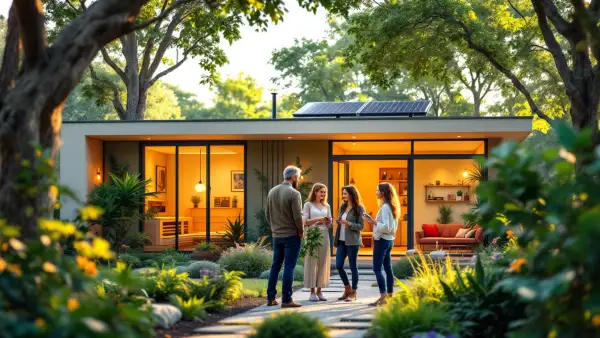
Homebuyers are spending 21% more time searching for eco-friendly homes, and mentions of color-drenched interiors surged 149% in Zillow listings for 2026. Zillow analyzed millions of listings to uncover these shifting preferences shaping the US housing market.
But these trends aren’t just aesthetic—they signal a major shift in how buyers extract value from homes, prioritizing energy savings, disaster resilience, and personalized amenities. This reflects a deeper leveraging of housing as a system integrating lifestyle, cost control, and safety.
Zillow’swhole-home batteries (+40%) and zero-energy-ready homes (+70%) spotlight a movement toward autonomous home energy management systems.
“Homes are no longer just shelters; they’re self-sufficient ecosystems,” says the Zillow expert—the new leverage is in homes that deliver compounding benefits without constant intervention.
Challenging the Assumption That Style Changes Are Just Cosmetic
Conventional wisdom treats home-design trends as fleeting, cosmetic upgrades. But Zillow’s analysis reveals a structurally different buyer mindset emphasizing system-driven benefits.
This repositions home features as operational constraints to be solved, not just style preferences. Buyers betting on wildly colorful interiors or vintage craftsmanship are demanding underlying value propositions—like resilience and wellness.
Such shifts echo how tech companies optimize by identifying binding constraints, as explained in why 2024 tech layoffs revealed leverage failures. Similarly, the housing market’s new constraints are energy efficiency and disaster protection, not just architectural fashion.
How Energy Autonomy and Disaster Safety Create System Leverage
Mention increases for electric vehicle charging (+25%) and flood protection (+64%) are more than design cues—they redefine what a home does as a system.
Unlike competitors who build standard spas or gyms, desirable homes embed systems that lower utility bills and protect occupants autonomously during extreme weather, turning homes into self-optimizing assets.
These mechanisms shift cost and risk constraints upfront, simplifying ownership while creating compounding savings and peace of mind.
This aspect parallels why Tesla’s safety report changes autonomous leverage—proving system-level design trumps piecemeal features.
Why Personalization and Immersion Drive Deeper Home Value
Mentions of immersion sports spaces like golf simulators (+25%) and home libraries (+48%) reveal buyers want homes that compound their wellness and leisure without external dependency.
Moving past the old “man cave,” new spaces embed technology and aesthetics that sustain long-term engagement and lifestyle fulfillment, increasing intangible home value.
This mirrors how OpenAI scaled ChatGPT—building platforms that multiply user engagement without direct operator work.
The Forward Edge: Homes as Compound Advantage Platforms
The housing market’s constraint is no longer location alone but system integration of environment, wellness, and autonomy.
Buyers and builders who master energy independence, disaster resilience, and customized immersion gain a compounding advantage, turning homes into platforms that yield continual value.
Markets slow to adopt these systemic trends will face structural disadvantages as costs and expectations realign.
Homes that self-manage will eclipse traditional static assets, rewriting housing’s role in strategic wealth and wellbeing.
Related Tools & Resources
As homes evolve into self-managing ecosystems, security becomes an integral part of protecting those investments. Tools like Surecam provide advanced security solutions that keep your home safe during extreme weather, allowing homeowners to focus on energy independence and personal wellness. Learn more about Surecam →
Full Transparency: Some links in this article are affiliate partnerships. If you find value in the tools we recommend and decide to try them, we may earn a commission at no extra cost to you. We only recommend tools that align with the strategic thinking we share here. Think of it as supporting independent business analysis while discovering leverage in your own operations.
Frequently Asked Questions
What are the main housing trends identified by Zillow for 2026?
Zillow found that mentions of color-drenched interiors surged 149%, eco-friendly home searches increased by 21%, and zero-energy-ready homes mentions rose by 70%. These trends reflect buyers prioritizing energy savings, disaster resilience, and personalized amenities.
Why are energy savings and disaster resilience important in new home trends?
Energy savings and disaster resilience are key because they transform homes into self-sufficient ecosystems. Features like whole-home batteries (+40%) and flood protection (+64%) lower utility bills and protect occupants autonomously, making homes self-optimizing assets.
How have home interior preferences changed according to Zillow's 2026 data?
Homebuyers are focusing more on wildly colorful interiors, with a 149% surge in mentions, indicating a shift from purely aesthetic changes to style choices that imply resilience and wellness benefits.
What role do personalized amenities play in modern housing trends?
Personalized amenities such as immersion sports spaces like golf simulators (+25%) and home libraries (+48%) show that buyers want homes that compound wellness and leisure benefits, enhancing lifestyle fulfillment without external dependencies.
How does the new housing leverage compare to technological systems?
The new housing leverage treats homes like systems integrating environment, wellness, and autonomy, similar to tech companies optimizing binding constraints—as seen in trends like whole-home batteries and zero-energy-ready homes.
What is the significance of electric vehicle charging mentions increasing by 25%?
The 25% increase in electric vehicle charging mentions highlights a shift toward energy autonomy in homes, supporting sustainable transportation and integrating homes into broader energy management systems.
How do these home trends impact long-term housing market value?
Homes that self-manage energy and disaster risks create compounding savings and peace of mind, offering a structural advantage over traditional static assets and rewriting housing’s role in strategic wealth and wellbeing.
What tools support the security of evolving self-managing homes?
Advanced security solutions like Surecam help protect homes during extreme weather, complementing trends toward energy independence and personal wellness by securing these investments autonomously.